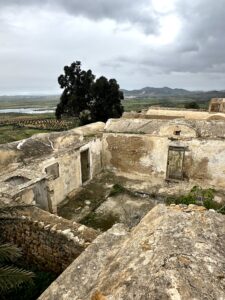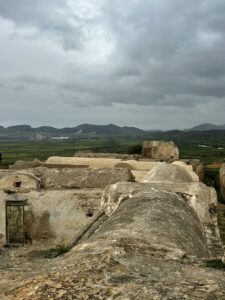

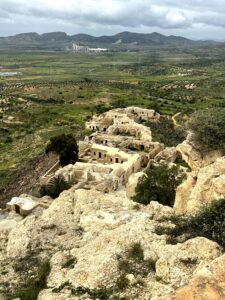
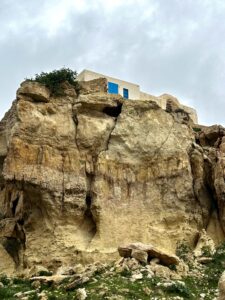
High above the Tunisian Sahel, perched on a rocky hill overlooking endless plains and the shimmering Gulf of Hammamet, lies one of Tunisia’s most authentic and poetic places, the village of Takrouna.
Visiting Takrouna is not just a trip. It is a moment where time slows down, where the landscape opens in every direction, and where the simple warmth of human connection becomes the most memorable part of the experience.
A Village Between Sky and History
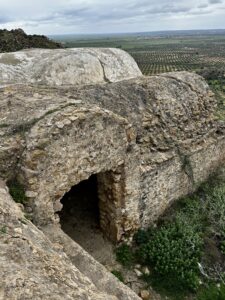
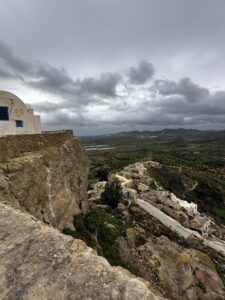
Takrouna is located about six kilometers west of Enfidha and sits nearly 200 meters above sea level, offering breathtaking panoramic views of the surrounding plains, the Mediterranean coastline, and distant mountains.
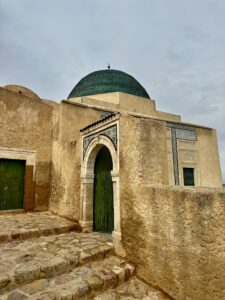
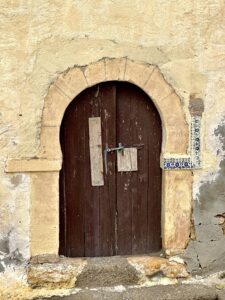
The village has Amazigh (Berber) roots, and its stone houses and narrow paths have stood here for centuries, adapting naturally to the rocky landscape. Walking through Takrouna feels like walking through history, every stone wall and every doorway tells a story.
Historians believe the name Takrouna is connected to a tribe that migrated to Andalusia in the 8th century. After the expulsion of the Moors from Spain in 1609, some descendants returned to North Africa and settled on this hill, shaping the identity of the village we see today.
Today only a few families still live here, quietly preserving traditions that have been passed down through generations.
A Place Where Hospitality Is a Way of Life
What makes Takrouna truly special is not only the view or the history, it is the people.
Visitors are often welcomed with genuine smiles, warm conversations, and a sense of hospitality that feels deeply authentic. There is a natural simplicity here, a kindness that cannot be staged or manufactured.
It is easy to find yourself sitting with locals, sharing stories, laughter, and the simple pleasures of Tunisian village life.
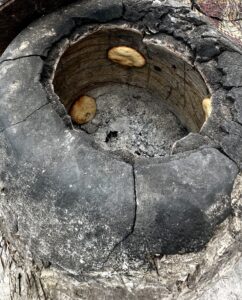
A table may appear with fresh traditional bread, still warm, accompanied by local olive oil, olives from nearby groves, and the famous Tunisian harissa. These flavors are simple, yet unforgettable, because they are shared with generosity.
Moments like these remind us that travel is not only about places, but about the people who bring those places to life.
Handmade Traditions
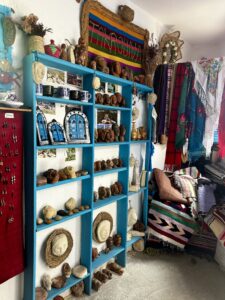
In the village, visitors can also discover small artisan spaces where traditional crafts are preserved.
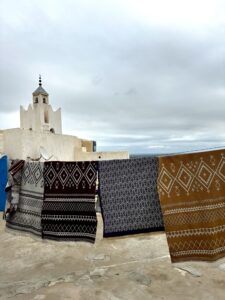
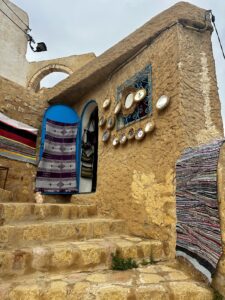
One small shop offers authentic handmade carpets and local crafts, created using techniques that have been part of Tunisian heritage for generations. Each piece carries the patience, skill, and creativity of the people who make them.
Supporting these artisans means helping to keep these traditions alive.
Echoes of World History
Despite its peaceful atmosphere today, Takrouna also witnessed dramatic moments during World War II.
In April 1943, the hill became a strategic position during the North African campaign. Allied forces fought intense battles here before finally capturing the village from Axis troops. The surrounding area still holds memorials that quietly remind visitors of this important chapter of history.
A Village Waiting to Be Rediscovered
In recent years, Takrouna has become quieter. Since around 2020, many of the cafés and small restaurants that once welcomed travelers have closed.
Yet this calmness gives the village an even stronger sense of authenticity.
Takrouna today feels untouched, almost suspended between past and present, a place where visitors can still experience the true spirit of rural Tunisia.
And perhaps that is exactly why it deserves to be rediscovered.
More Than a Destination
Standing at the top of Takrouna, with the Mediterranean breeze moving across the hills and the sound of laughter from a nearby home, it becomes clear that this village offers something rare.
Not luxury. Not crowds. But something far more valuable, human warmth, tradition, and a deep sense of place.
Takrouna is a perfect reminder of what travel is really about.